




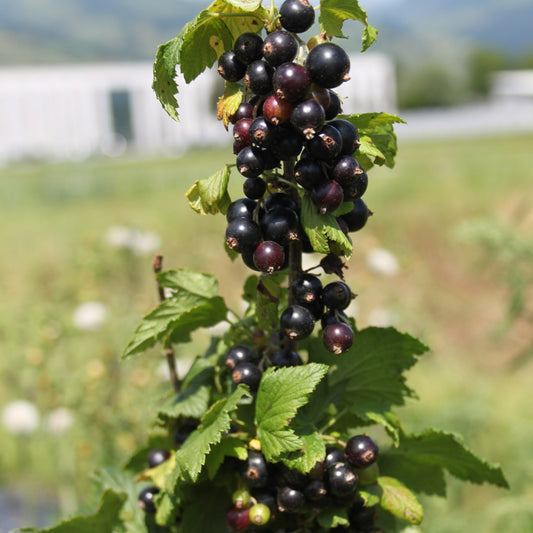
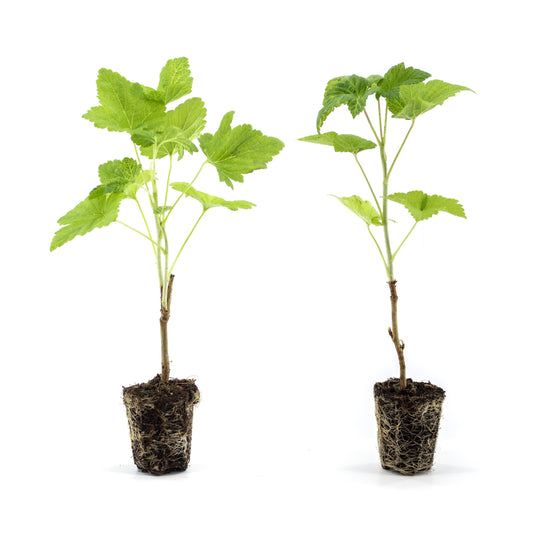
Lowberry® Currant Young Plants
Lowberry® Currant Young Plants
More information
Challenges in Organic Young Plant Production – A Review of the 2026 Season
Every young plant season is different. Weather conditions, light levels and temperature influence plant growth in new ways every year. In organic young plant production in particular, this requires continuous adjustment of cultivation practices, irrigation, fertilisation and plant health management.
The 2026 season also brought new challenges. In this review, we highlight the experiences we have gained and the insights that can be drawn from them for pot and container plant production. This...
In vitro propagation as a modern solution in young plant production
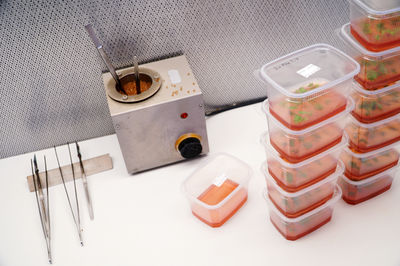
In vitro propagation is a regular topic of discussion in horticulture. Whilst it is an important component of reliable, high-quality young plant production for many businesses, others view it rather critically. Particularly in the organic sector and in European fruit growing, there are recurring reservations about this propagation method.
A closer look, however, reveals that in vitro propagation cannot be assessed in general terms. As with any propagation method, the results depend on the...
The standard berry and its alternatives
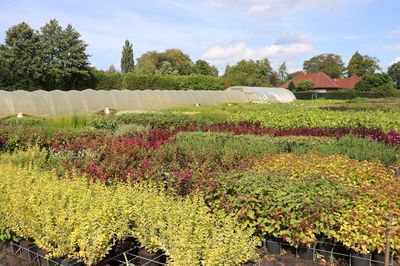
The 2 to 3 litre pot, tall and usually square, has become the standard in berry plant production. If you wander through the garden centres in the spring and analyse the offers with a gardener's eye, all you see is always the same: almost the same pot, with a slightly different but always large label, nota bene with as little information as possible. It is a well-known fact that customers cannot read. At least that's what our advertising consultants seem to think. Garden centres are no better. I...
Real-time plant breeding – a breeding tour in April
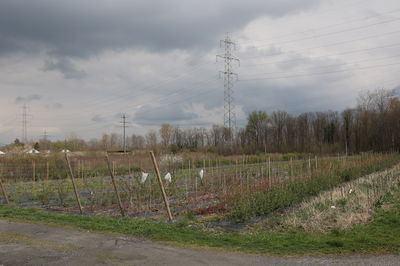
Plant breeding in April 2022: at Lubera’s field for plant breeding trials in Buchs, Switzerland in early April. You will look in vain for laboratories and white coats. Practical plant breeding takes place first of all in the field, then in the greenhouse; thirdly via researching and evaluating on the computer and only then perhaps in the laboratory. On a Sunday afternoon (when else?), I set off on a tour of our Lubera breeding field in Buchs. What do I notice? What is the latest news? What...
Why black is the new colour of fruit! All about Cassissima®
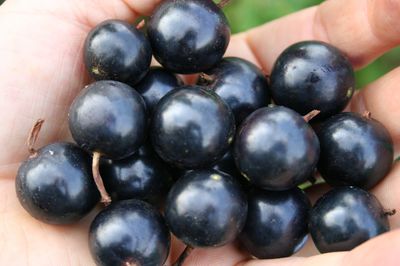
If you take a closer look at the fruit counters of the supermarkets nowadays, you will find blueberries and strawberries all year round, even red currants are now offered throughout most of the year. However, blackcurrants are hardly ever found, if at all, and there is no trace of jostaberries. The latest generations of these black fruits have the opportunity to end their current Cinderella existence and become more than just a niche within a niche...

Lubera Edibles Podcast #08: Gardener’s talk - How to produce red and black currants in containers?
In loose succession, we also want to talk about our production in this Gardener's Radio podcast. How exactly are finished plants produced from Lubera Edibles young plants? What are the sizes? What are the problems and what do you have to watch out for? So that we don't get lost in the shuffle, we'll be joined by Robert Maierhofer, the plant and production manager at Lubera, which has two production nurseries in Switzerland and Germany. Nevertheless, we cannot, of course, provide the universal...