




Yacon Young Plants
Yacon Young Plants
More information
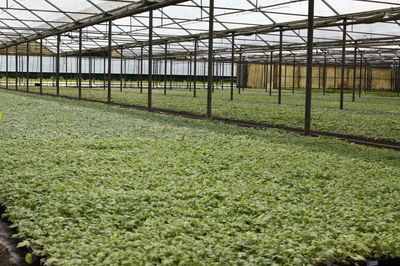
Challenges in Organic Young Plant Production – A Review of the 2026 Season
Every young plant season is different. Weather conditions, light levels and temperature influence plant growth in new ways every year. In organic young plant production in particular, this requires continuous adjustment of cultivation practices, irrigation, fertilisation and plant health management.
The 2026 season also brought new challenges. In this review, we highlight the experiences we have gained and the insights that can be drawn from them for pot and container plant production. This...
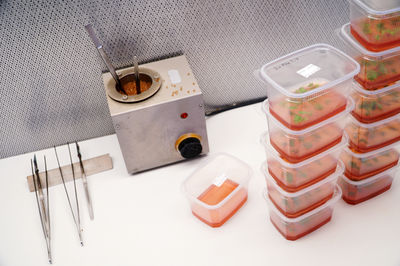
In vitro propagation as a modern solution in young plant production
In vitro propagation is a regular topic of discussion in horticulture. Whilst it is an important component of reliable, high-quality young plant production for many businesses, others view it rather critically. Particularly in the organic sector and in European fruit growing, there are recurring reservations about this propagation method.
A closer look, however, reveals that in vitro propagation cannot be assessed in general terms. As with any propagation method, the results depend on the...

The vegetable breeding of Lubera
In addition to fruit and berries, we are expanding our vegetable range to become the third pillar of the Lubera Edibles young plant programme. This step is only logical: if our love for young plants literally goes through the stomach, then vegetables are naturally part of that. In addition, interest in growing your own high-quality vegetables in the garden or on the balcony is growing steadily – and this is exactly where our breeding work comes in.
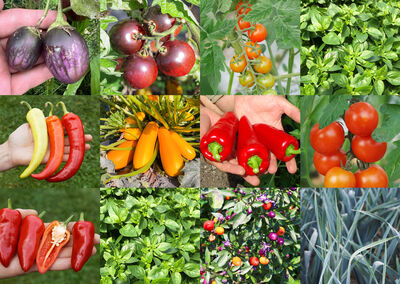
Vegetable young plants from Lubera Edibles – More than just edible: an assortment that inspires
Do you only know us as specialists in softfruit young plants? Then we have a surprise for you. Because Lubera Edibles stands – as the name suggests – for everything that is delicious to eat. And that no longer includes just fruit and berries. With our innovative assortment of vegetable young plants, we are taking the next logical step – surprising, diverse and perfectly tailored to the home garden.
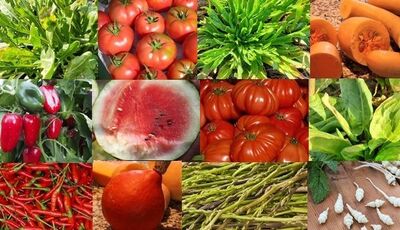
The new market for premium vegetable plants
Lubera.com, the online store of our sister company, has been selling premium vegetable plants for several years. These are grown in 1.3-litre square pots, packaged with care and then reliably shipped to customers. The price for most plants is currently around EUR 5.50, with a price increase of 10% planned for 2025. But how big is this market? What are Lubera's experiences in general? We are not initially discussing which companies could produce these young plants and where they are sold, we...

Lubera Edibles Podcast #01: Yacon and Oca - root fruits from the Andes for our gardens
Classic Central European cuisine consists of a main side dish, often also called a filling side dish, then salad and/or vegetables and meat/fish. And since we were children, we have learned that there are three main side dishes: rice, pasta and potatoes. Which brings us to our topic, root crops. Do we really need more than potatoes? What are the distinguishing features of oca and yacon? Why do they enrich the garden and kitchen alongside potatoes? How are they grown and how can we produce and...
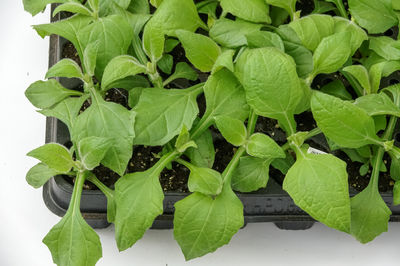
Yacon young plants for retailers
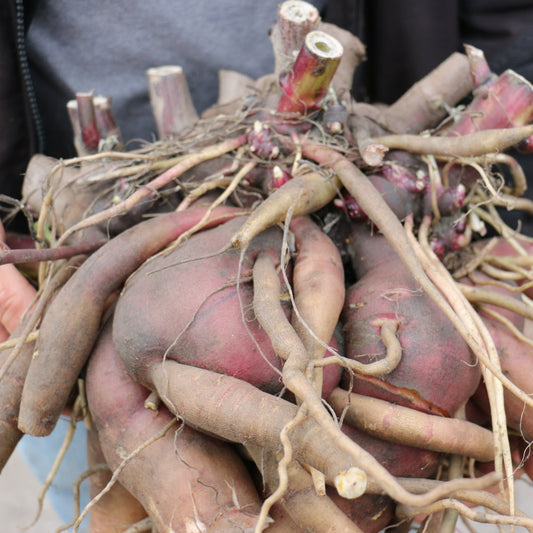
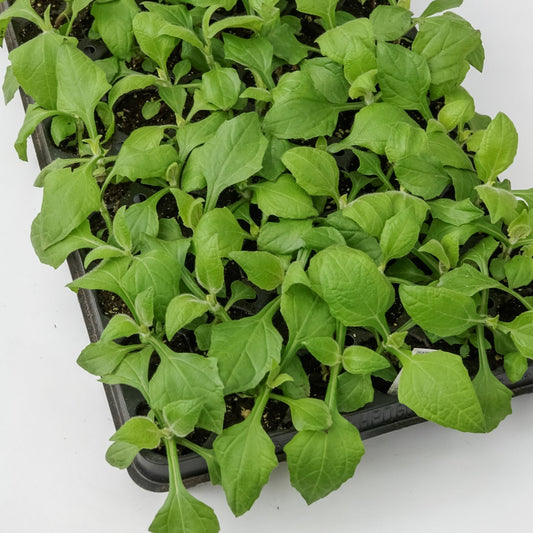
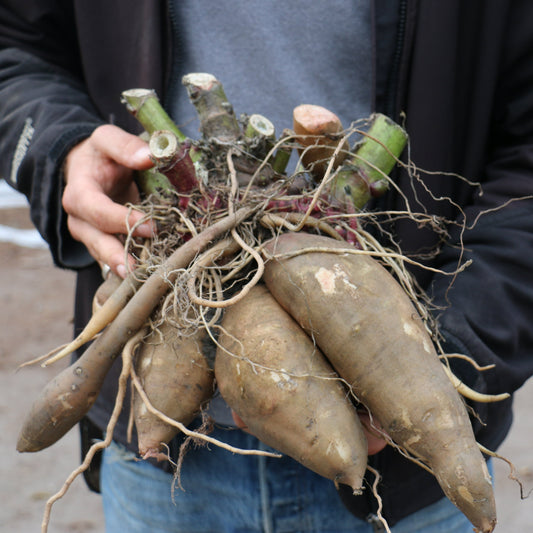
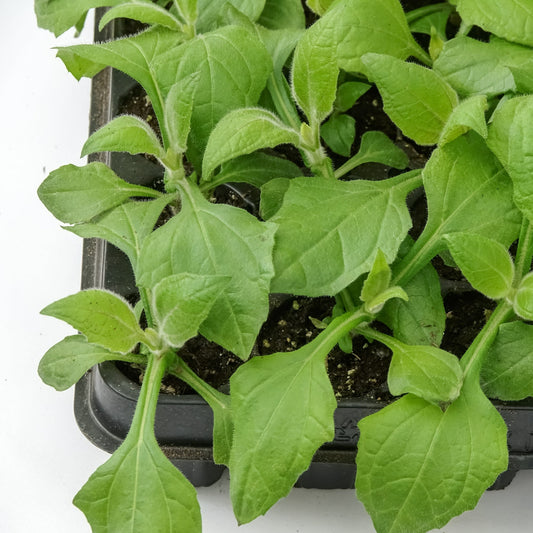
In another article, we have already introduced you to the yacon (Smallanthus sonchifolius) plant group and have also described it in more detail. Now, in this text, learn all about our yacon young plant qualities and how you can produce high-quality pot/container plants for sale/trade from our yacon young plants.

Yacon – the sweet, giant tubers from South America
Our yacon young plants and varieties represent a new vegetable species in the assortment group 'Fruits of the Roots®'. We will be able to offer you yacon young plants starting in spring 2021. As with potatoes and oca, yacon is a plant species with edible tubers that originated in South America, in the highlands of the Andes, and was already cultivated by the Incas. Although yacon has almost no relevance in commercial cultivation in Europe, it is an interesting plant and an even more interesting...